Agricultural Products Wholesale: Unlocking Profitable Opportunities in Global Trade

Introduction
The agricultural products wholesale sector plays a critical role in shaping global trade by connecting farmers, suppliers, exporters, and buyers across international markets. As demand for high-quality food commodities continues to rise, wholesale distribution has become the backbone of efficient supply chains, enabling bulk transactions at competitive prices. In today’s interconnected economy, businesses involved in import-export operations rely heavily on agricultural wholesale networks to ensure consistent supply, quality assurance, and cost optimization. From grains and spices to specialty crops, the sector offers immense opportunities for exporters, sourcing companies, and global buyers seeking reliable partnerships.
India’s Position in the Global Market for Agricultural Products Wholesale
India has emerged as one of the leading players in the agricultural products wholesale market, thanks to its vast agricultural base, diverse climate, and large workforce. The country ranks among the top exporters of several commodities, including rice, spices, pulses, and oilseeds.
1.Turmeric Export from India
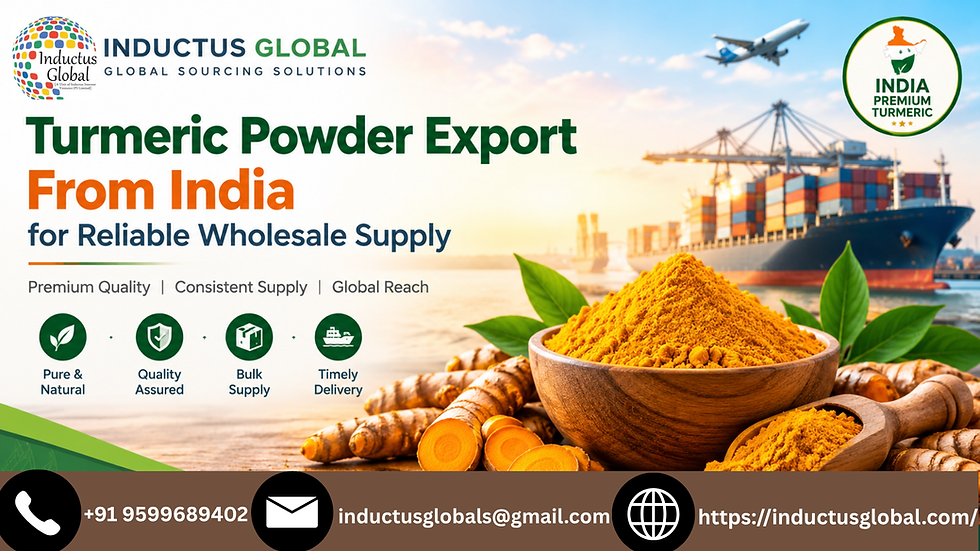
India dominates the global turmeric market, contributing a significant share of worldwide production. The Turmeric Export from India is driven by strong demand in countries such as the USA, UAE, and Bangladesh. Known for its high curcumin content and superior quality, Indian turmeric is widely used in food, pharmaceuticals, and cosmetics.
2.Makhana Export From India
The Makhana Export From India (fox nuts) has gained remarkable traction in recent years due to increasing global demand for healthy snacks. Sourced mainly from Bihar, makhana is valued for its nutritional benefits, making it popular in markets like the USA, UK, and Middle East.
3.Red Chilli Export From India
India is also a leading exporter of red chillies, with Red Chilli Export From India reaching numerous countries including China, Thailand, and Sri Lanka. The country offers a wide variety of chillies known for their color, pungency, and flavor, making them highly sought-after in global cuisines.

Key Product Categories in Agricultural Products Wholesale
The agricultural products wholesale industry covers a wide range of product categories, each catering to different segments of the global market.
1. Grains and Cereals
Products such as rice, wheat, maize, and barley dominate bulk trade. India is particularly known for basmati and non-basmati rice exports.
2. Spices and Herbs
Spices are a major export category, with turmeric, red chilli, cumin, and coriander leading the segment. These products contribute significantly to India’s export revenue.
3. Pulses and Oilseeds
Lentils, chickpeas, and oilseeds like soybean and mustard are essential commodities in wholesale trade, driven by global consumption trends.
4. Dry Fruits and Specialty Products
Makhana, cashews, and other niche products are gaining popularity due to health-conscious consumers worldwide.
5. Fruits and Vegetables
Fresh and processed fruits and vegetables, including mangoes, onions, and potatoes, form a crucial part of agricultural exports.
Export Performance and Statistics
India’s agricultural exports have shown consistent growth, supported by government initiatives and increasing global demand. Below is an overview of estimated export performance:
Product Category | Estimated Export Value (USD Billion) | Growth Rate (%) |
Rice | 11.0 | 8% |
Spices (incl. turmeric, chilli) | 4.5 | 10% |
Makhana & Dry Products | 0.5 | 12% |
Pulses & Oilseeds | 3.2 | 6% |
Fruits & Vegetables | 2.8 | 7% |
These figures highlight the growing importance of the agricultural products wholesale sector in global trade dynamics.
Major Export Destinations
India exports agricultural products to over 100 countries, catering to diverse market demands. Key destinations include:
United States – High demand for spices, organic products, and makhana
United Arab Emirates – Major importer of rice, fruits, and vegetables
China – Significant demand for red chillies and oilseeds
Bangladesh – Imports rice, spices, and other staple commodities
European Union – Focus on organic and sustainably sourced products
The growing demand in these regions highlights the importance of efficient agricultural products wholesale networks to ensure timely delivery and compliance with international standards.
Strengths of Indian Agricultural Exports
India’s success in the agricultural products wholesale sector is driven by several key strengths:
1. Cost Competitiveness
Lower labor and production costs allow Indian exporters to offer competitive pricing in global markets.
2. Diverse Agro-Climatic Conditions
India’s varied climate enables the cultivation of a wide range of crops throughout the year.
3. Skilled Workforce
A large and experienced workforce supports farming, processing, and logistics operations.
4. Strong Supply Chain Infrastructure
Improved logistics, cold storage facilities, and port connectivity have enhanced export efficiency.
5. Government Support
Policies such as export incentives, subsidies, and quality certifications have boosted international trade.
Industry Challenges in Agricultural Products Wholesale
Despite its strengths, the agricultural products wholesale sector faces several challenges:
1. Regulatory Compliance
Exporters must meet stringent quality and safety standards set by importing countries.
2. Price Volatility
Fluctuations in commodity prices can impact profit margins and long-term contracts.
3. Supply Chain Disruptions
Logistics issues, weather conditions, and geopolitical factors can affect timely deliveries.
4. Global Competition
Countries like Vietnam, Thailand, and Brazil pose strong competition in various product categories.
5. Infrastructure Gaps
While improving, certain regions still lack adequate storage and transportation facilities.
Sustainability and Future Outlook
Sustainability is becoming a key focus in the agricultural products wholesale industry. Buyers are increasingly prioritizing eco-friendly sourcing, organic farming, and traceability.
Key Trends Shaping the Future:
Organic and Sustainable Farming: Growing demand for chemical-free products
Digital Transformation: Use of technology in supply chain management
Value Addition: Processing and packaging to enhance product value
Traceability Systems: Ensuring transparency from farm to consumer
India is well-positioned to capitalize on these trends, particularly in segments like Turmeric Export from India, Makhana Export From India, and Red Chilli Export From India, where demand for natural and high-quality products is rising globally.
FAQs
1. What is agricultural products wholesale?
It refers to the bulk buying and selling of agricultural commodities such as grains, spices, and pulses for export or large-scale distribution.
2. Why is India a key player in agricultural exports?
India offers diverse products, competitive pricing, and strong production capacity, making it a preferred sourcing destination.
3. What are the top products in agricultural exports from India?
Key products include rice, spices, makhana, pulses, and fresh produce.
4. How can buyers ensure quality in wholesale sourcing?
Buyers should work with certified exporters, verify quality standards, and conduct inspections.
5. What is driving demand for makhana globally?
Health awareness and demand for nutritious snacks are boosting the Makhana Export From India market.
Conclusion
The agricultural products wholesale sector continues to unlock profitable opportunities in global trade by bridging the gap between producers and international buyers. With its strong agricultural base, competitive pricing, and growing focus on sustainability, India remains a key player in this dynamic industry. As global demand for quality food products rises, businesses that leverage efficient wholesale networks and strategic sourcing will be well-positioned for long-term success.
Comments